.png)
How Corrugated Packaging Helps Reduce Product Damage in Transit
Products can face significant risks between the warehouse and the customer. Drops, vibration, compression, stacking, rough handling, moisture and incorrect packaging can all lead to dents, breakage, scratches or deformation.
This is where corrugated packaging for product protection becomes important. A properly designed corrugated box provides a protective outer layer around the product while helping absorb impacts, distribute pressure and limit unnecessary movement during transportation.
For manufacturers, retailers and e-commerce businesses, choosing the right packaging is not simply about putting a product inside a box. It is about matching the box structure, strength, dimensions and design to the product and its transportation conditions.

Key Takeaways
Corrugated boxes provide cushioning and structural protection during transit.
The right ply and board strength should be selected according to product weight and shipping conditions.
Correct box dimensions can reduce product movement and impact inside the package.
Customized corrugated packaging can improve product fit and protection.
Better packaging can help reduce damage-related returns, replacements and customer complaints.
Quick Answer: How Does Corrugated Packaging Reduce Product Damage?
Corrugated packaging helps reduce product damage during transit by providing structural strength, cushioning and resistance to compression and impact. Its fluted paper construction creates a protective layer around the product, while the appropriate box size, ply and design can reduce movement inside the package. Customized corrugated boxes can provide additional protection when packaging requirements vary by product.
Why Do Products Get Damaged During Transit?
Transportation exposes packaged products to different types of physical and environmental stress.
Some common causes of product damage include:
Impact and Drops
Packages can be dropped or knocked against other packages during loading, unloading and handling. A suitable corrugated box can absorb some of the impact and create a protective barrier between the product and external forces.
Compression and Stacking
Boxes are often stacked during storage and transportation. Packages at the bottom of a stack can experience considerable pressure.
A box with appropriate compression strength helps maintain its structure and protect the product inside.
Vibration
Trucks, trains and other transportation systems expose packages to continuous vibration. If a product has too much space inside the box, repeated movement can increase the possibility of scratches, dents or breakage.
Rough Handling
Packages may pass through several stages before reaching their destination. Multiple handling points increase the possibility of impacts and improper movement.
Moisture and Humidity
Exposure to moisture can affect paper-based packaging and reduce its structural performance. Depending on the transportation and storage environment, businesses may need to consider suitable materials and packaging specifications.
Incorrect Box Size
An oversized box can leave excessive empty space around the product, while a box that is too small can place unnecessary pressure on the product.
The right fit matters.
How Corrugated Packaging Protects Products
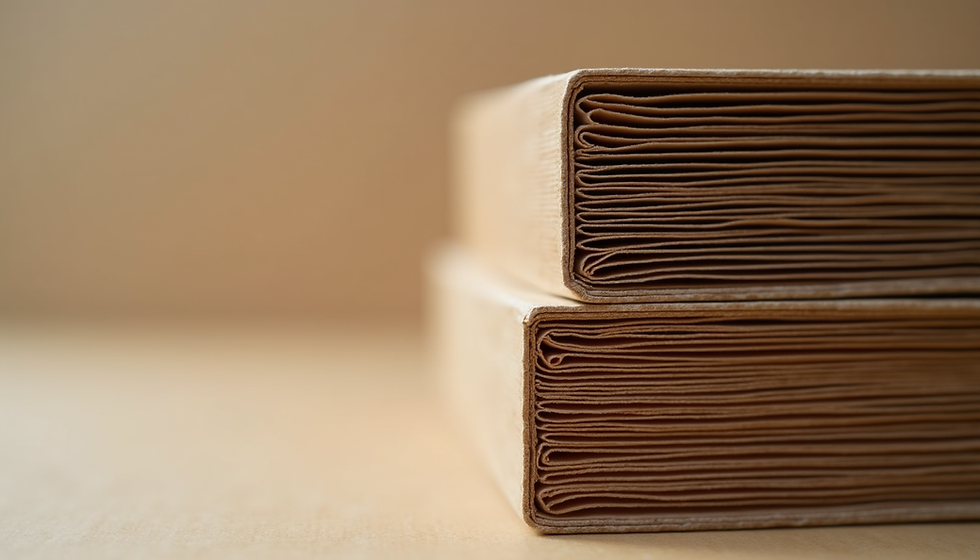
Corrugated packaging consists of layers of paperboard, including flat liner sheets and a fluted inner layer.
The fluted structure provides several useful characteristics for packaging.
Cushioning
The air-filled spaces within the fluting can help absorb and distribute some impact forces.
Structural Strength
The combination of liners and fluting provides rigidity and helps the box maintain its shape during handling and stacking.
Compression Resistance
Appropriate corrugated board specifications can help packaging withstand pressure from stacking and transportation.
Lightweight Protection
Corrugated boxes can provide structural protection without adding excessive packaging weight, making them suitable for many shipping applications.
However, not every corrugated box provides the same level of protection. The board specification should be selected according to the product and its shipping requirements.
Why Box Strength and Ply Selection Matter
One of the most important considerations when selecting corrugated boxes for shipping is the number of layers or plies.
3-Ply Corrugated Boxes
Generally consisting of two liner sheets with one fluted layer between them, 3-ply boxes are commonly used for lightweight and moderately durable products.
5-Ply Corrugated Boxes
5-ply construction contains additional layers and can provide greater rigidity and strength. It may be suitable for heavier products, longer transportation routes or applications involving greater stacking pressure.
7-Ply Corrugated Boxes
For particularly heavy or demanding applications, 7-ply construction can provide additional structural strength.
The right choice depends on factors such as product weight, dimensions, fragility, stacking requirements and transportation conditions.
Choosing a higher ply simply because it is stronger is not always the most efficient solution. Packaging should be engineered around the actual requirements of the product.
How Proper Box Size Reduces Product Damage
Box dimensions can have a significant impact on product protection.
Consider a fragile product packed inside an oversized box with substantial empty space. During transportation, the product may move repeatedly inside the package.
This movement can increase the risk of:
Impact damage
Scratches
Dents
Breakage
Product deformation
On the other hand, a box that fits the product appropriately can limit unnecessary movement.
Businesses should consider:
Product length, width and height
Available internal space
Protective materials
Product orientation
Closure requirements
Stacking conditions
A well-designed box should provide enough space for protection without creating unnecessary movement.
The Importance of Customized Corrugated Boxes
Standard packaging may work well for common product dimensions, but many manufacturers have specific packaging requirements.
Customized corrugated boxes can be designed around:
Product dimensions
Product weight
Fragility
Transportation conditions
Storage requirements
Branding requirements
Internal protection requirements
For example, an automotive component may require a different packaging structure from a consumer product or an e-commerce shipment.
Customized packaging can help businesses create a better fit between the product and the box while potentially reducing unnecessary packaging material and empty space.
Corrugated Packaging for Different Products
Different products require different approaches to packaging.
Automotive Components
Automotive parts can vary considerably in size, weight and shape. Packaging may need to withstand stacking, handling and transportation between manufacturers, suppliers and distributors.
Electronics
Electronic products can be sensitive to impact and movement. Packaging should be designed to minimize movement and provide appropriate protection.
FMCG Products
FMCG packaging often needs to balance product protection, efficient storage and transportation costs.
E-commerce Shipments
E-commerce products may pass through multiple handling stages before reaching the customer. Strong and appropriately sized corrugated boxes can help reduce damage during this journey.
Fragile Products
Glass, ceramics and other fragile products may require customized box dimensions and additional internal protection.
Industrial Products
Heavy industrial components may require stronger corrugated board specifications and packaging designed specifically for their weight and handling conditions.
How to Choose the Right Corrugated Box for Transit
Before selecting packaging, businesses should evaluate several factors.
Product Weight
Determine the total weight the box needs to carry.
Product Dimensions
Measure the product accurately to determine appropriate box dimensions.
Product Fragility
Fragile products may require additional cushioning or specialized internal packaging.
Transportation Distance
Long-distance transportation can expose packages to more handling and vibration.
Stacking Conditions
Consider whether boxes will be stacked during storage or transportation.
Environmental Conditions
Humidity, moisture and temperature can influence packaging performance.
Handling Conditions
Consider the number of times the package may be loaded, unloaded or moved.
Required Box Strength
Select an appropriate board specification based on the overall packaging requirements rather than choosing solely by ply count.
How Better Packaging Can Reduce Product Damage and Business Costs
Product damage does more than affect the item itself. It can create additional costs throughout the supply chain.
Damaged products can result in:
Returns and replacements
Customer complaints
Additional transportation costs
Wasted products
Repackaging expenses
Delayed deliveries
Reduced customer satisfaction
Investing in suitable packaging can therefore be viewed as part of overall logistics and product protection strategy.
The goal is not necessarily to use the most expensive packaging. It is to find the right balance between protection, packaging cost, material usage, product dimensions and transportation requirements.
Why Work With a Corrugated Packaging Manufacturer?
Businesses often have different packaging challenges depending on their products and supply chains.
Working with an experienced corrugated packaging manufacturer can help businesses evaluate factors such as:
Box dimensions
Board construction
Ply requirements
Product weight
Printing requirements
Transportation conditions
Packaging quantity
At Delight Engineers, we provide corrugated packaging solutions for businesses looking for practical and customized packaging options. Understanding the product and its packaging requirements helps create solutions designed for both protection and operational efficiency.
Frequently Asked Questions
How does corrugated packaging protect products during shipping?
Corrugated packaging provides a protective structural layer around the product. Its fluted construction can help absorb impact, distribute pressure and provide resistance against compression during transportation.
Which corrugated box is best for product protection?
The best box depends on the product's weight, dimensions, fragility, transportation conditions and stacking requirements. 3-ply, 5-ply and 7-ply boxes can be suitable for different applications.
Is 5-ply packaging stronger than 3-ply?
Generally, 5-ply corrugated construction provides greater structural strength than standard 3-ply construction because it contains additional layers. However, the appropriate specification depends on the application.
How can packaging reduce product damage during transit?
Proper packaging can reduce damage by limiting product movement, providing cushioning and offering resistance against impact and compression. Correct box size and board strength are important factors.
Why is box size important for shipping protection?
An oversized box can allow excessive product movement, while an undersized box can create pressure on the product. Appropriate dimensions help create a better fit and improve protection.
Are customized corrugated boxes better for fragile products?
Customized boxes can be useful for fragile products because their dimensions and structure can be designed around the product's specific requirements. Additional internal protection may also be incorporated where needed.
How do I choose the right corrugated box for my product?
Consider the product's weight, dimensions, fragility, transportation distance, stacking conditions, environmental exposure and handling requirements. A packaging manufacturer can help determine a suitable box specification.
Conclusion
Corrugated packaging for product protection plays an important role in reducing the risks products face during transportation. The right combination of box strength, ply, dimensions and packaging design can help protect products from impact, compression, vibration and unnecessary movement.
For businesses, effective packaging is about more than simply putting a product inside a box. It is about selecting a packaging solution that balances protection, cost, efficiency and product requirements.
If you're looking for customized corrugated packaging for your products, Delight Engineers can help you explore packaging options based on your product and transportation requirements.
Looking for the right packaging for your product? Contact Delight Engineers to discuss your requirements.



Comments